Rest and quiet
Lunch is served around 12pm. Afterward, the land goes quiet. The sauna is available in the afternoon, and the rest of the day is intentionally unstructured — a hammock, a walk, time in your tambo, or whatever your body needs.

No two retreats are the same, but the shape is steady. Ceremonies on Monday, Wednesday and Friday; slow days in between; private tambos to sleep in; meals together at the communal big house.
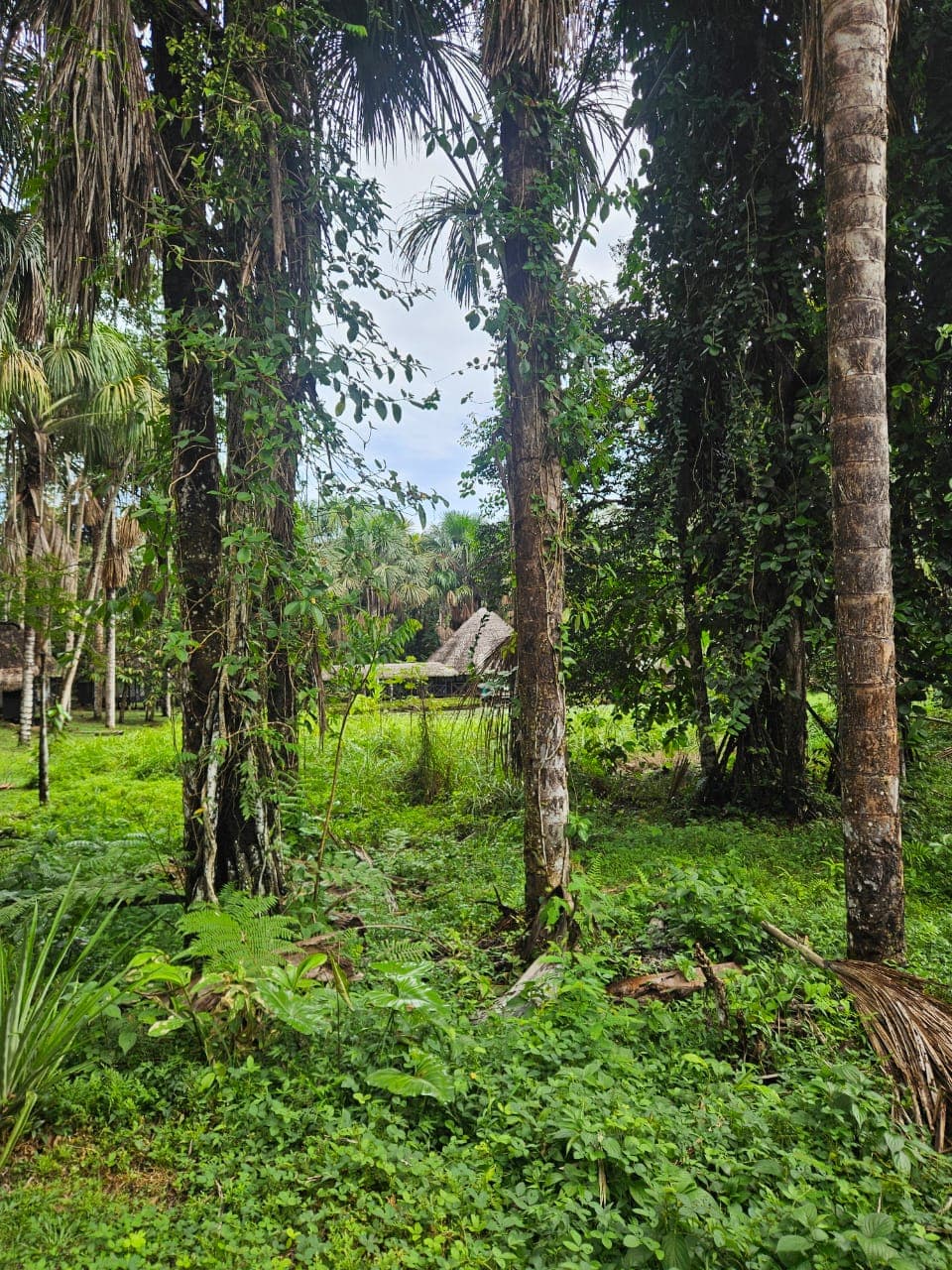
The bridge across the lake, on arrival
You make your own way to Iquitos, and we take it from there. We meet you at a designated city meeting point in Iquitos on the first day of your retreat — once your application is confirmed — and bring you the rest of the way by 4x4, past Moralillo, down the road toward Nauta, under an hour from the city. We pick guests up around 1pm in Iquitos.
The afternoon is for settling in — you will see your tambo, meet the team, and find your bearings. A ceremony is held on the first night of your retreat, so the timing of the day is built around it.
We recommend arriving in Iquitos one or two nights before your retreat. It gives you time to rest after travel and avoids the risk of a delayed flight pushing you past the 1 PM transfer. A night or two in Iquitos afterward is also worth considering.
Airport pickup is not included. Uber is available in Iquitos, but it is smart to bring cash in soles in case Uber is not working or a driver asks for cash. Motor taxis from the airport to hotels in Iquitos usually cost about 30–70 soles. Drop-off at Iquitos airport and Iquitos city is included on the last day, with airport drop-off for departures after 3 PM.
You make your own way to Iquitos. From the moment you land, here is exactly what happens next — and how you get home again.
You arrange your own flights. We recommend arriving 1–2 nights early to rest and avoid a delayed flight risking the transfer.
On your first retreat day, we meet you at a designated point in Iquitos — no public route runs to the centre.
Past Moralillo, toward Nauta. Included in your stay — arranged by us, not booked separately.
Meet the team, see your tambo, find your bearings. The first ceremony is held that night.
A final circle, then a group transfer to Iquitos. Airport drop-off is included for flights after 3pm.
Three ceremony nights a week. Preparation for ceremony begins at 6pm. Five to six hours in the maloka, led by the healers.
Lunch is served around 12pm. Afterward, the land goes quiet. The sauna is available in the afternoon, and the rest of the day is intentionally unstructured — a hammock, a walk, time in your tambo, or whatever your body needs.
Each guest has their own mattress, blanket, and bucket. The maestros open the ceremony together. Singing, silence, slow walking. The team is in the room throughout.
A slow breakfast at the communal big house, and a circle to share what came up. There is no pressure to speak. There is also no shortage of time.
Off-days are not empty. They are the most important days of the retreat.
The hours after ceremony — and the day in between — are where the work settles. Most guests read, write in a journal, talk slowly at the communal big house, take a walk along the trails in the jungle on the property, or sit by the lake. Long, unstructured stretches give whatever came up in the night somewhere to go.
Mornings hold plant baths, and afternoons include breathwork — gentle ways to come back into the body.
There is no electricity or Wi-Fi anywhere on the property — by design. The first day without a screen can feel strange. By the second day, most guests stop reaching for one. Many tell us afterward that the quiet was the most unexpected, refreshing part of the whole week — and that the chance to genuinely step away from everything is half the reason to come.
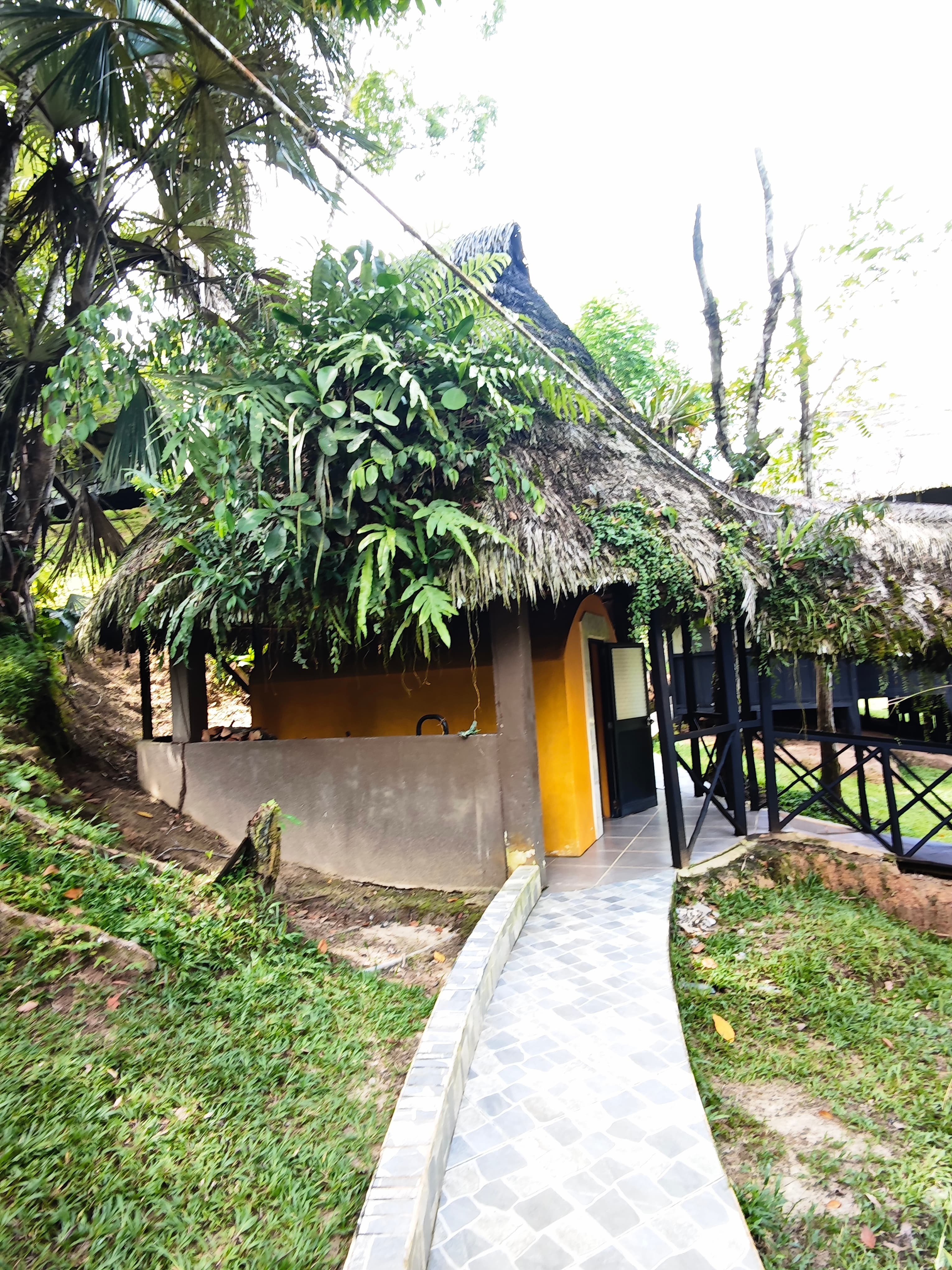
The sauna, by the trees
Retreat days are not filled with a schedule. There is time to rest, walk, read, speak, and sit by the lake between ceremonies.
Trails through the jungle on the property, open to explore during the unstructured hours between ceremonies.
Long, quiet hours by the lake — sitting, resting, or watching the water between ceremony days.
Traditional plant baths are part of the retreat rhythm, usually offered in the mornings.
Gentle breathwork, usually in the afternoon, as one of the ways to come back into the body.
Time for heat, rest, and quiet recovery in the wood sauna by the trees.
The communal big house is the gathering point for meals, conversation, and reading, with no electricity or Wi-Fi to pull attention away.
Share circles are part of the rhythm, including a final circle together on the last morning.
Paul is personally available throughout your stay, and reaches out again within a month after you leave.
Simple moments on the land — morning light over the lake, sunset from the deck, and dark Amazon nights with little outside light.
Kambo may be available as an optional add-on for an additional cost when appropriate, and can be discussed during the inquiry process.
Dreamglade works with five traditional master plant dietas: Marosa, Ajo Sacha, Bobinsana, Clavo Huasca, and Planta de Vida. The specific plant is chosen with Maestro Raúl after a guest arrives, based on their preparation and what is appropriate — not selected from a menu in advance.
A dieta is not simply a food restriction. In the Amazonian tradition, it is a quiet period of simplicity, attention, and relationship with a master plant.
At Dreamglade, the healers prepare a small tea or plant decoction from the chosen master plant, which may be a tree, vine, or shrub, for the guest to drink. The dieta may also include simple food, rest, time alone, ceremony, and guidance, creating a quieter container for working with that plant.
Guests do not need to choose a plant from a fixed menu before arriving. Maestro Raúl considers the guest's preparation, intention, and condition on the land, then recommends what is appropriate for the dieta.
Dreamglade works with 5 master plants — Marosa, Ajo Sacha, Bobinsana, Clavo Huasca, Planta de Vida — each with its own character in the tradition. The plant dieta itself is included in the retreat price.
Private thatched tambos to sleep in, the communal big house for everything else. No electricity or Wi-Fi in guest rooms — by design.
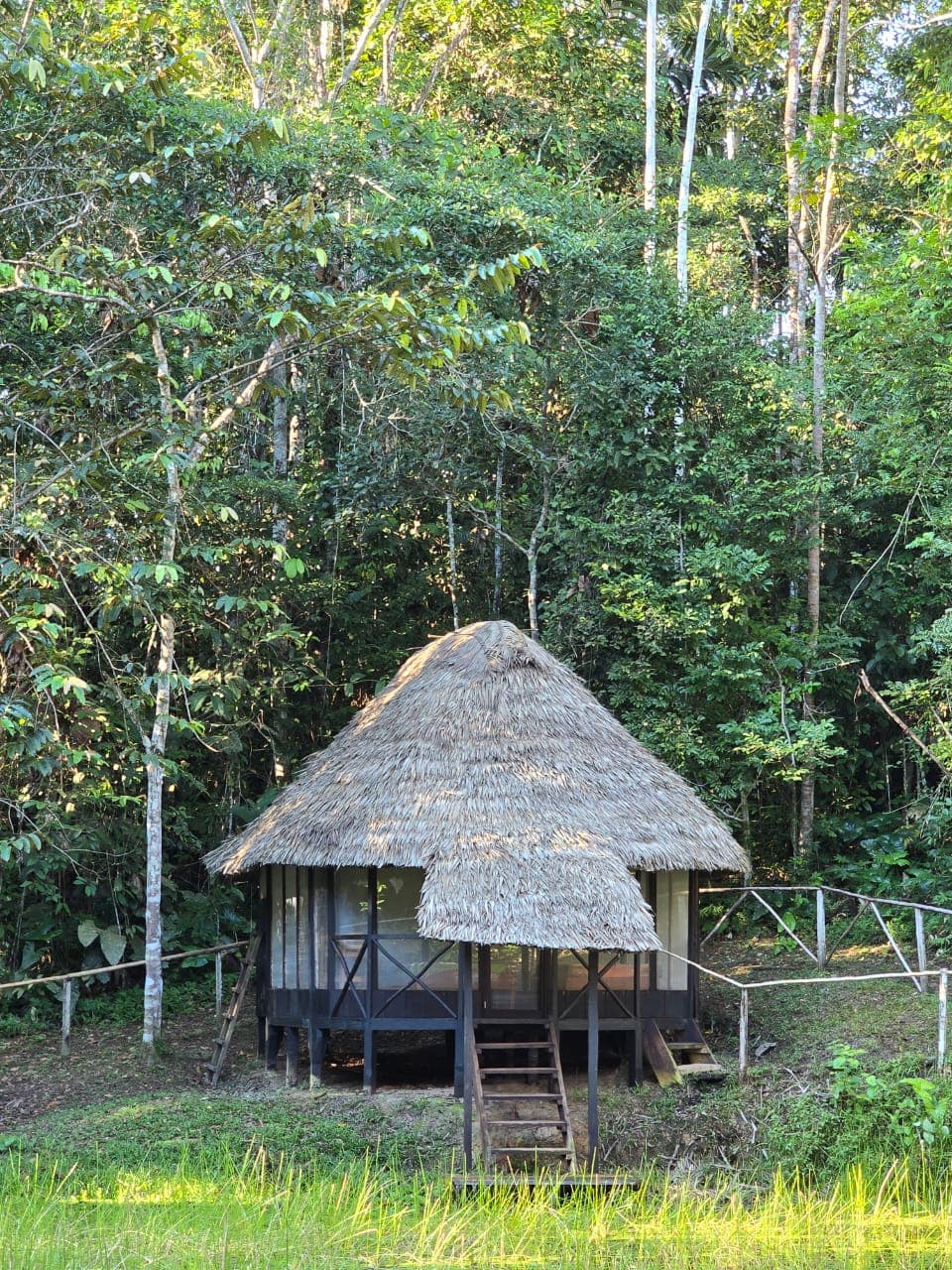
Single and double thatched cabins, raised off the ground, each with mosquito-screened sleeping. Most have lake or jungle views. All are quiet, with the forest right outside.
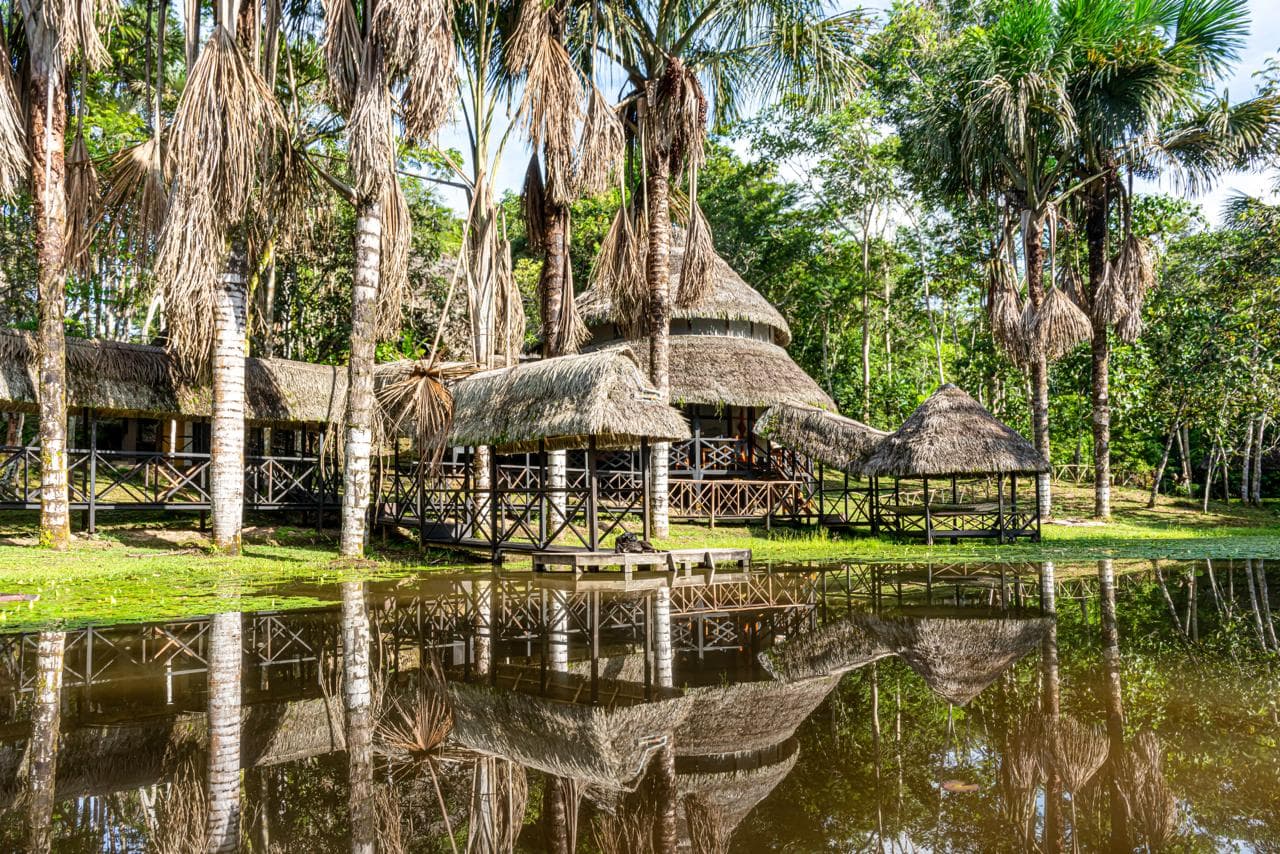
The center of the day. Meals, conversation, and reading happen here. There is no electricity or Wi-Fi in guest rooms or anywhere on the property — the communal big house is the gathering point, and the quiet is part of what people come for.
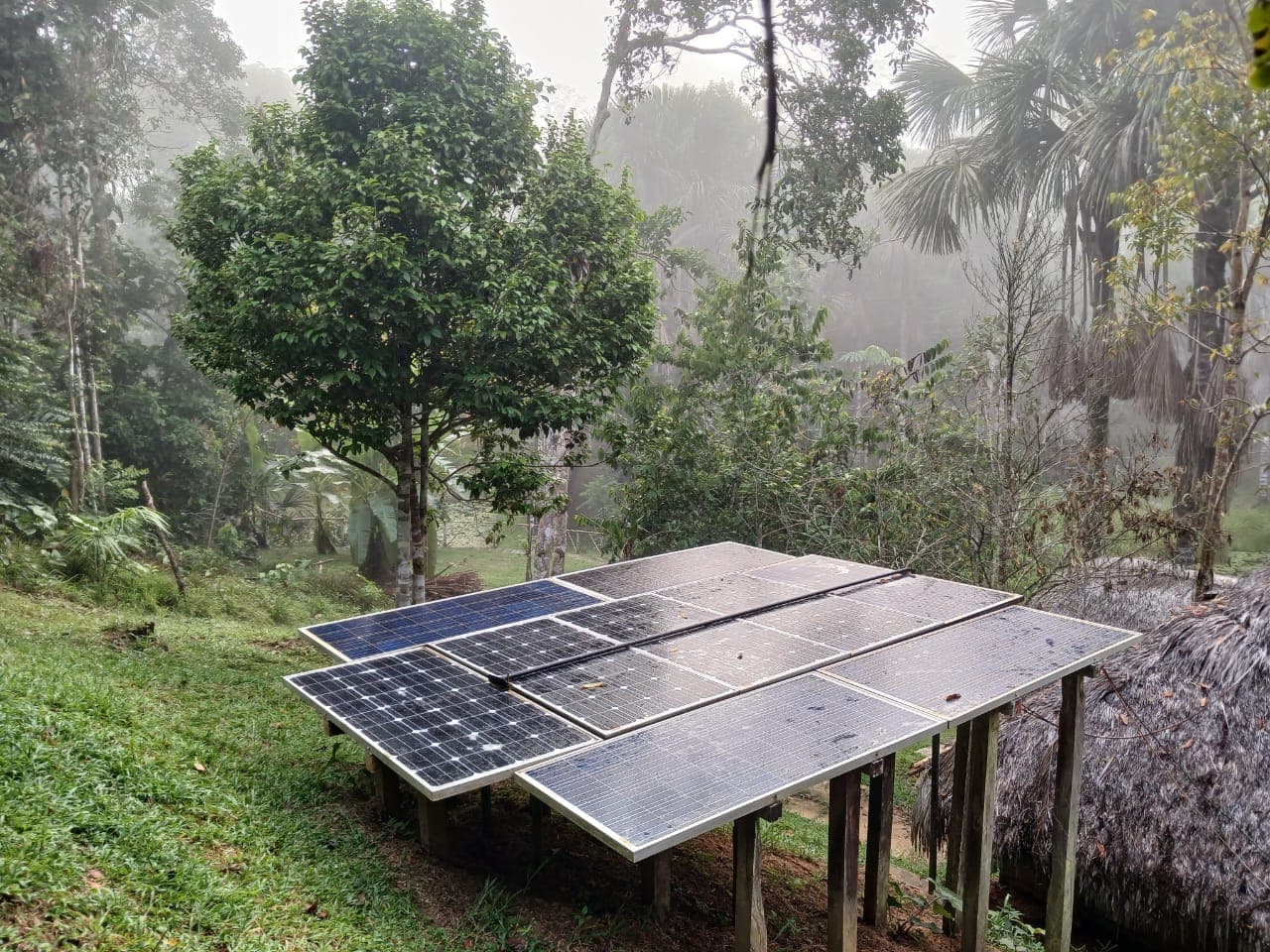
Electricity is limited and simple, and the retreat is designed for quiet time away from normal digital life. Guest rooms have no outlets and no signal — and most guests, by the second day, are very glad about that. Some cellphone carriers have limited service around the retreat. We have a generator that runs once a day; this is the time to charge your devices.
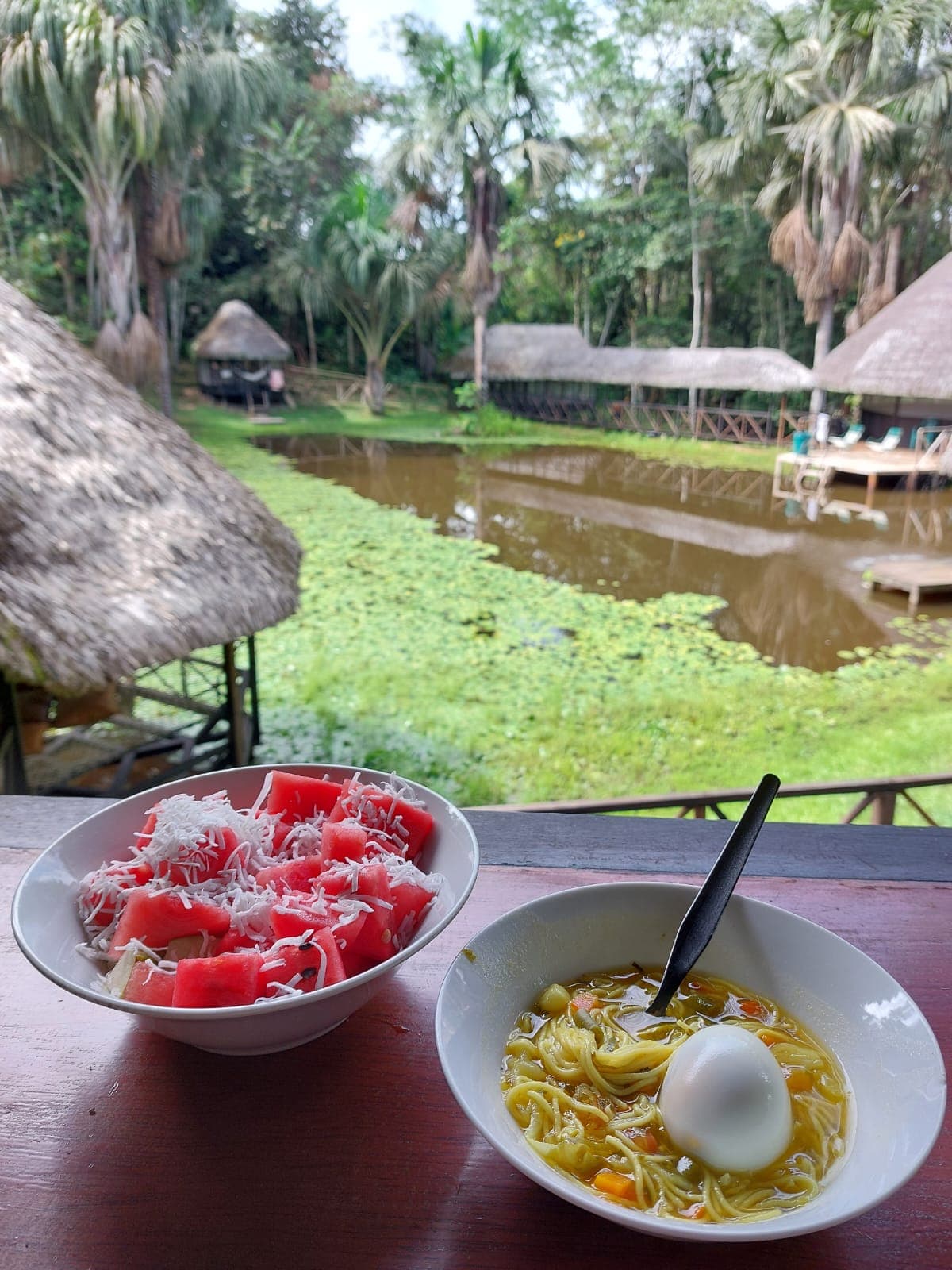
A light breakfast by the lake
The retreat dieta is light, low-salt, plant-forward, and built around what grows here. Rice, potatoes, yuca, grains and fresh fruit. Nothing fried, and no added sugars.
We are happy to accommodate vegetarian, vegan, and most allergy considerations. Tell us when you apply.
Whatever happens on the land is half of it. What you do with it once you are home is the rest.
 01 / Last morning
We close the retreat with a final share circle on the last morning, then a group transfer back to Iquitos airport for flights after 3 PM, or to the city if you are staying on.
 02 / Integration support
Paul reaches out within a month of you leaving — a short note to see how the landing has been and to answer anything that has come up. Ongoing support by WhatsApp or email is available if you want it.